So far I’ve published four books on horror film and television. You might like them.
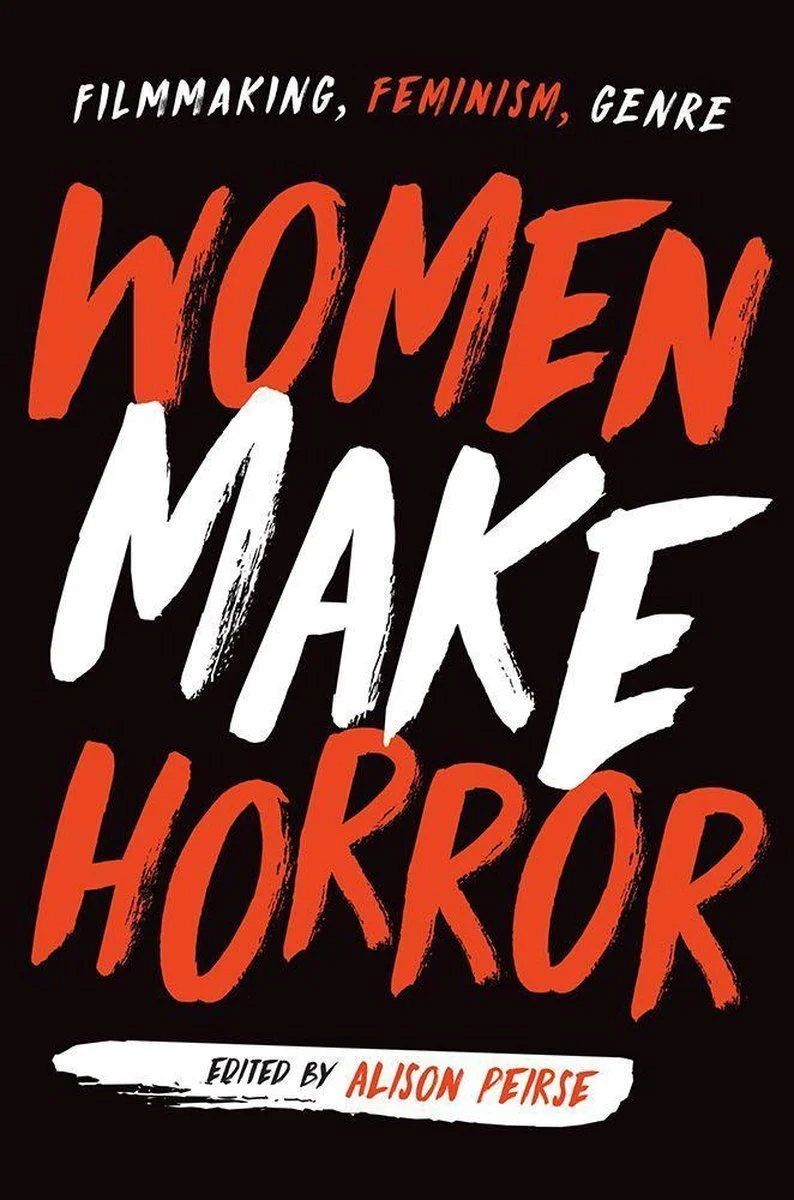
“but women were never out there making horror films, that’s why they are not written about – you can’t include what doesn’t exist” and “women are just not that interested in directing horror films”
This is what you get when you are a woman working in horror, whether as a writer, academic, festival programmer, or filmmaker. These assumptions are based on decades of flawed critical and industrial thinking about the genre.
Women Make Horror sets right these misconceptions. Women have always made, watched and written about horror films. This book tells us who, when, where and why.
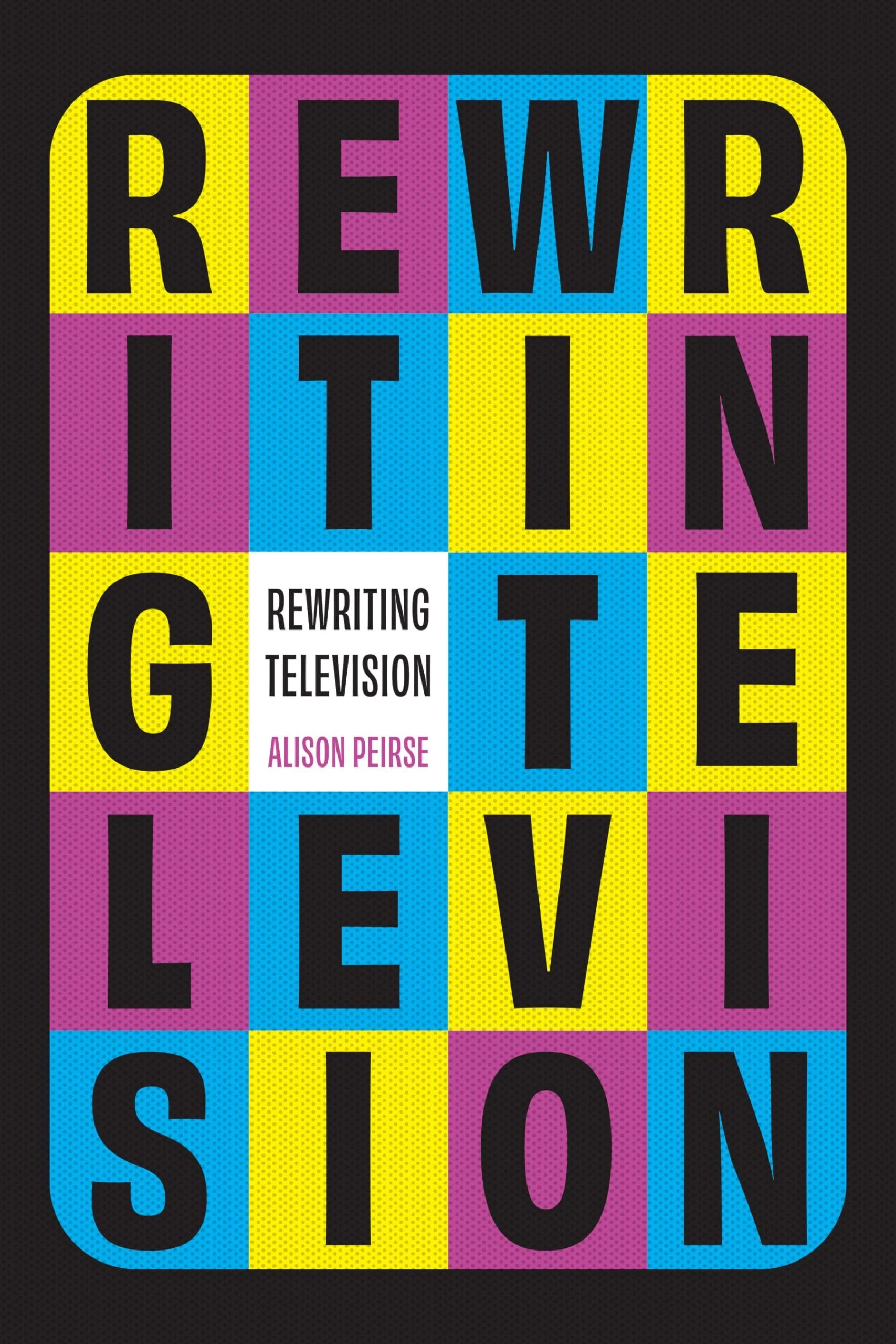
Rewriting Television suggests that it is time for a radical overhaul of television studies. If we don’t want to merely recycle the same old methods, approaches, and tropes for another twenty years, we need to consider major changes in why and how we do our work. This book offers a new model for doing television (or film or media) studies that can be taken up around the world.
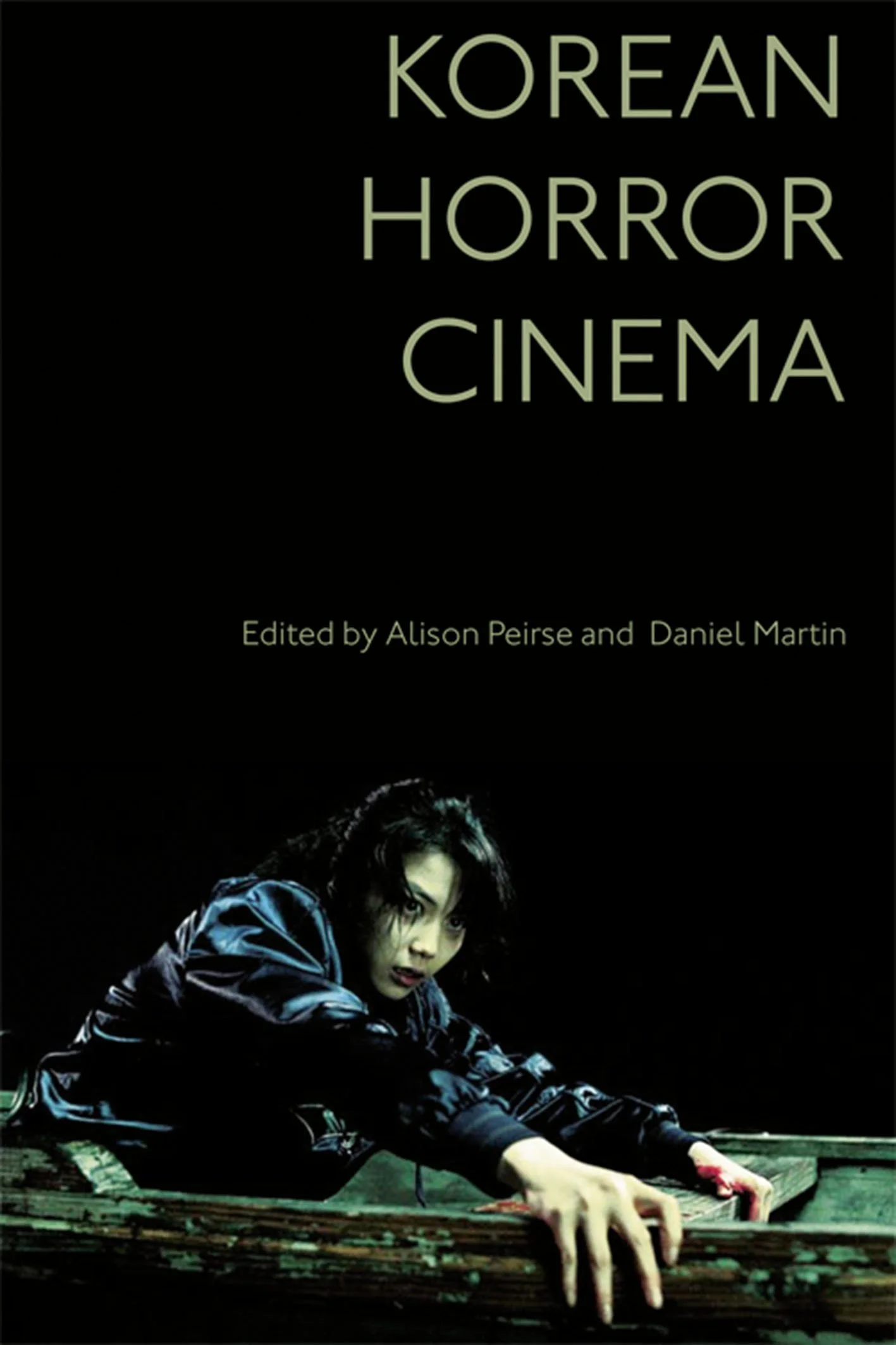
This is the first English-language book on Korean horror cinema. It explores the importance of folklore and myth on horror film, the impact of political and social change upon the genre, and films little-known outside Korea, including 마의 계단 / The Devil’s Stairway and 여곡성 / Woman’s Wail.
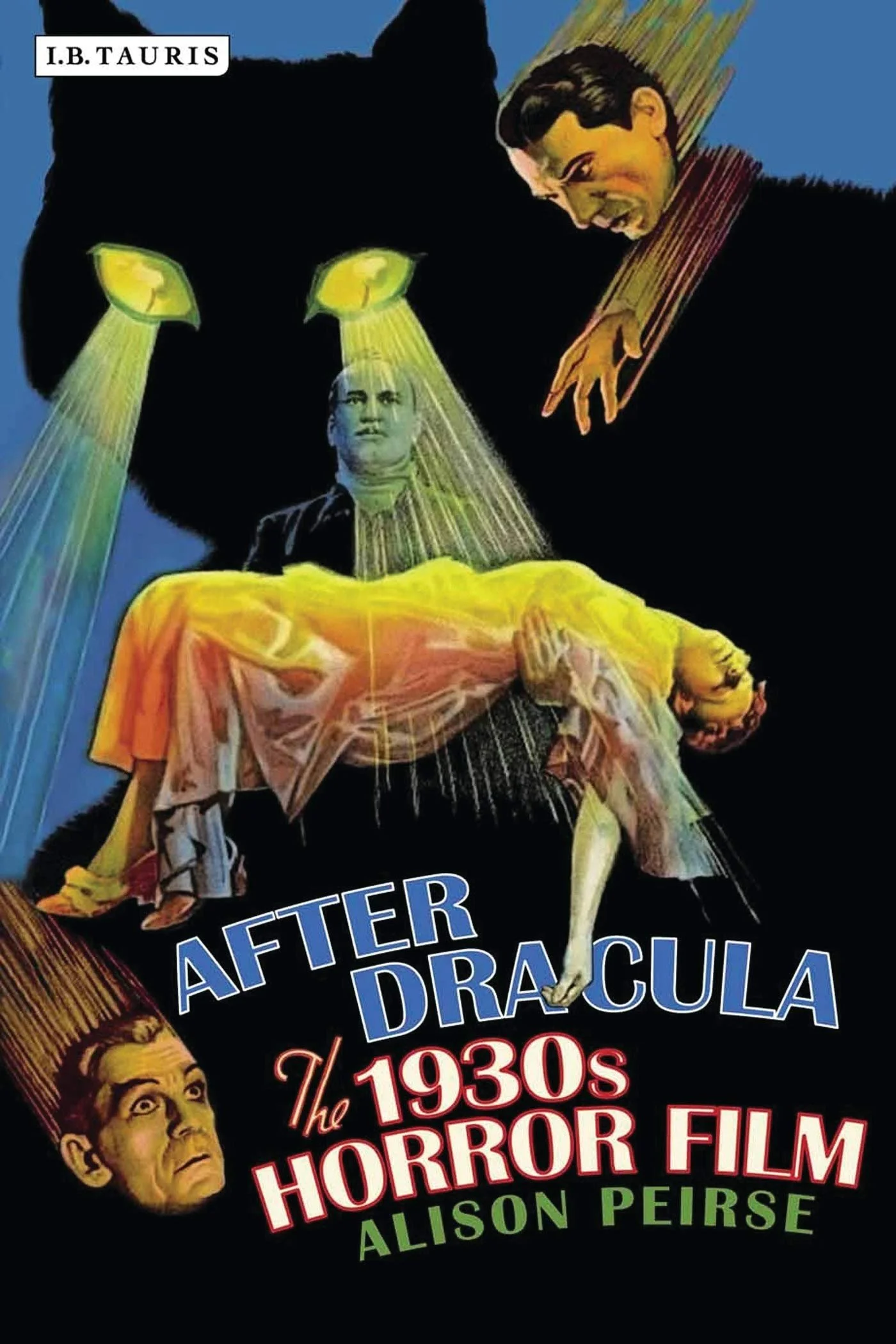
This book proposes that Dracula (1931) has been canonised to the detriment of other innovative and original 1930s horror films in Europe and America. These neglected films include Werewolf of London, The Man Who Changed His Mind, Island of Lost Souls and Vampyr. After Dracula brings these films to light, focussing on the intriguing, the obscure and the underrated.